

Starting a Garden for Beginners
If your reading this, you’re looking for information on how to start a garden. You probably have absolutely no clue where to even start, or you’ve tried it and failed horribly and want to figure out what happened! Well, I am so excited you’re here, you CAN do this and I’m going to help you.
The first thing I want you to do is take a deep breath and know you’re in good hands. Gardening doesn’t have to be this overcomplicated process with a ton of expensive supplies. It’s so easy to get completely overwhelmed when you go down the rabbit hole of “how to garden”. There are so many sites, and books, and e-books, and classes, and YouTube videos, and podcasts etc. that all say something different and yet the same. It’s no wonder that some people just say “Screw It” and don’t even try. There is almost too much information out there when you’re trying to wrap your head around everything. I’m about to break it down to the absolute basics, go grab a cup of coffee or whatever you beverage of choice is and Let’s Do This!!!
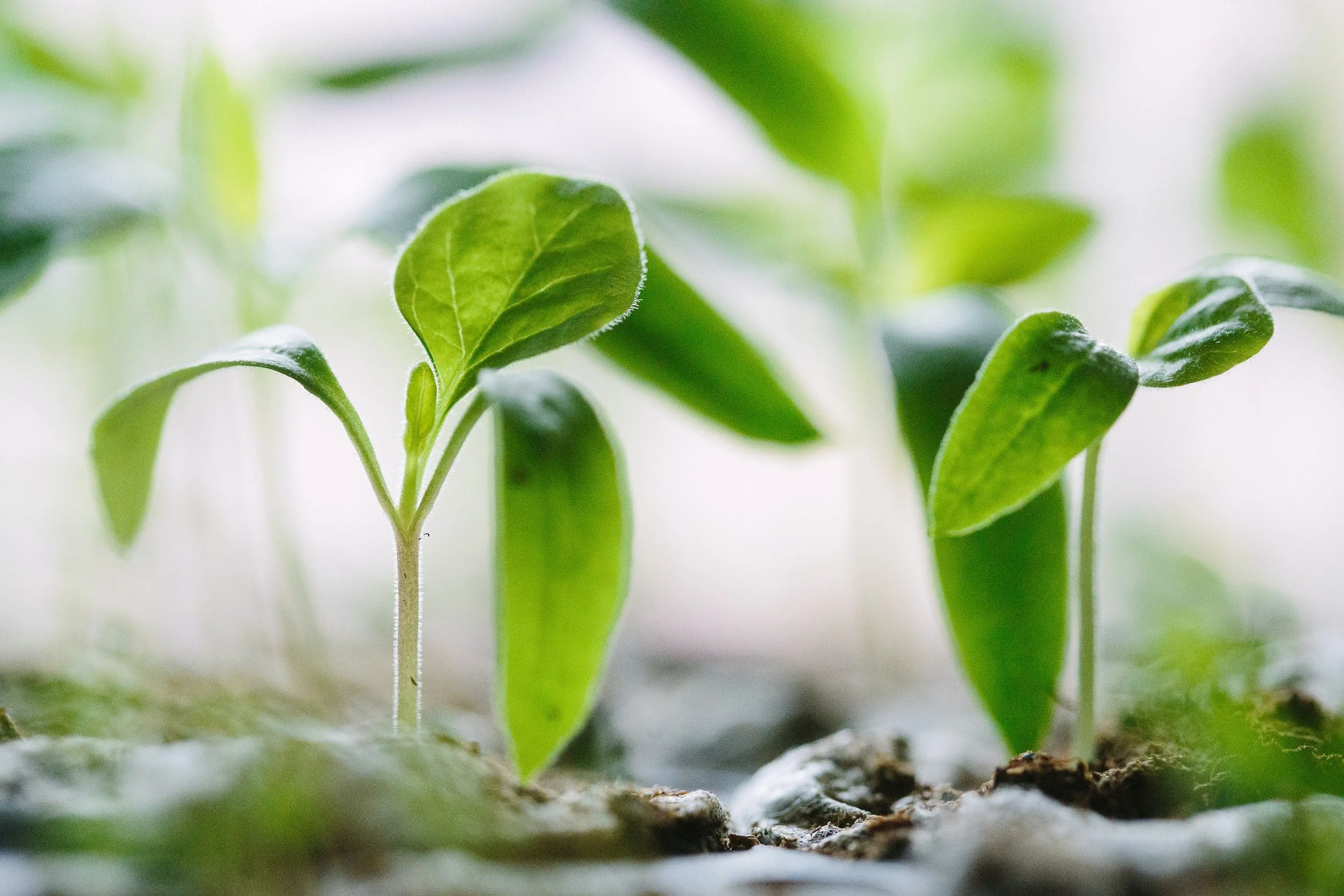
“Seeds want to grow, it’s what they do.”
~Jessica Sowards, Roots & Refuge Farm
As we begin this amazing journey I want you to know how excited I am that you’re here. I have found gardening to be the best therapy in the world for me. Now, I’m not going to lie and tell you it’s all puppies and unicorns, because there have been many days I’ve stormed out of the garden cursing its existence, but I always find myself going right back in because I can’t just “give up” on it. There is something truly magical about knowing everything growing around you was once a tiny seed in a packet.
First things First,
Let’s figure out the Why of your garden. You want to figure out why you’re gardening so you’ll know what your goals are.
Do you want to save money on groceries?
Are you trying to eat healthier?
Do you have a health condition?
Are you just interested to see if you can grow stuff in general and just want to see what you can do?
Are you proving someone wrong who said you couldn’t do it? (you’re totally going to do it)
Your why and goals will give you an idea of how to determine the size you’ll need/want to have, the varieties you’ll plant, and how many you will plant.
Second,
Lets look at how much space you have to grow. Your amount of growing space will have a direct effect on how much you can plant, specific varieties you may or may not want, etc. Growing space will also likely determine which gardening style you’ll choose. There are many different styles of gardening out there, but I am just going to focus on what I believe are the 3 most common. In my experience, the three most common styles of gardening are in-ground, raised beds, and container gardening. Let’s take a closer look at each one.
Most common garden styles
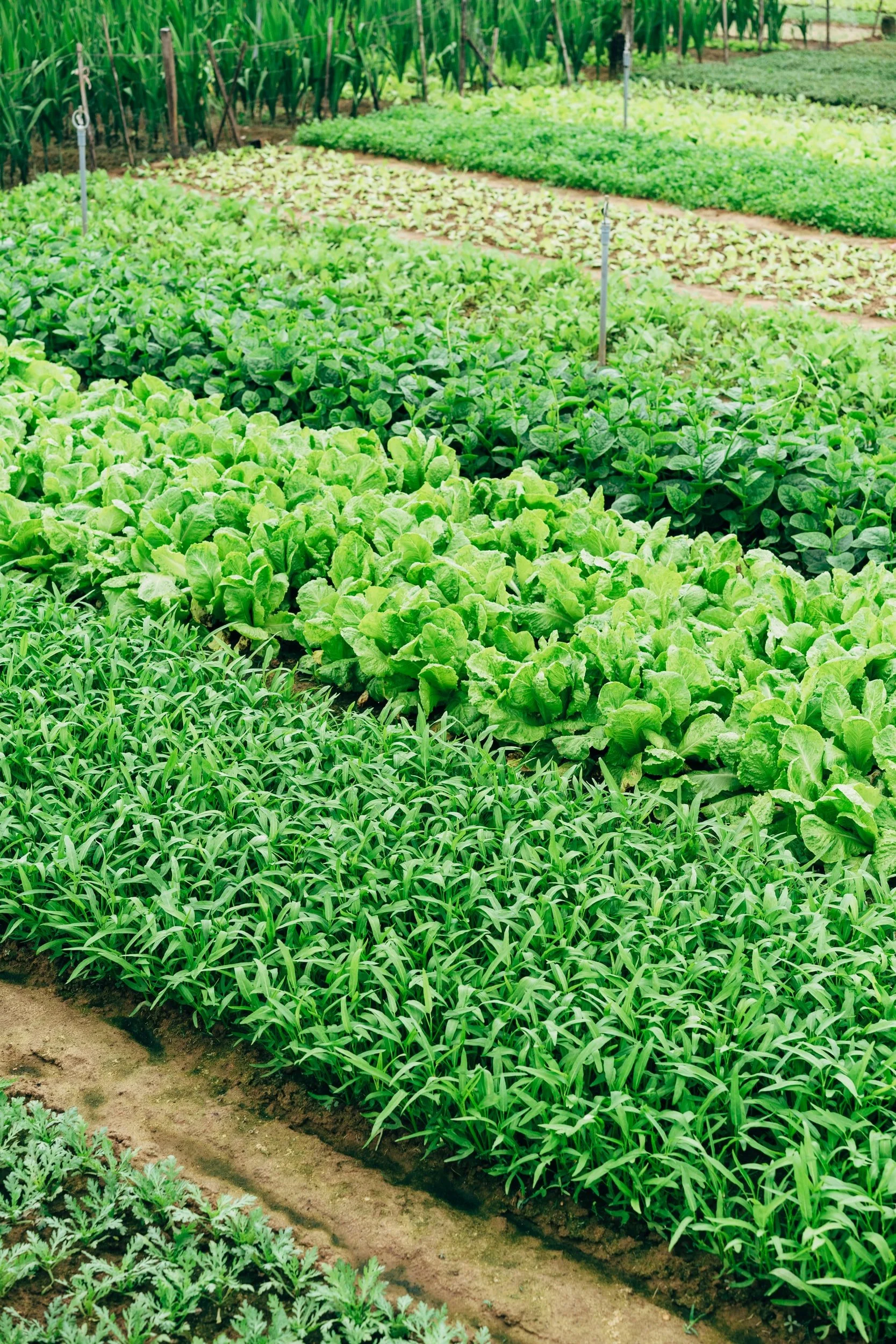
In Ground Garden
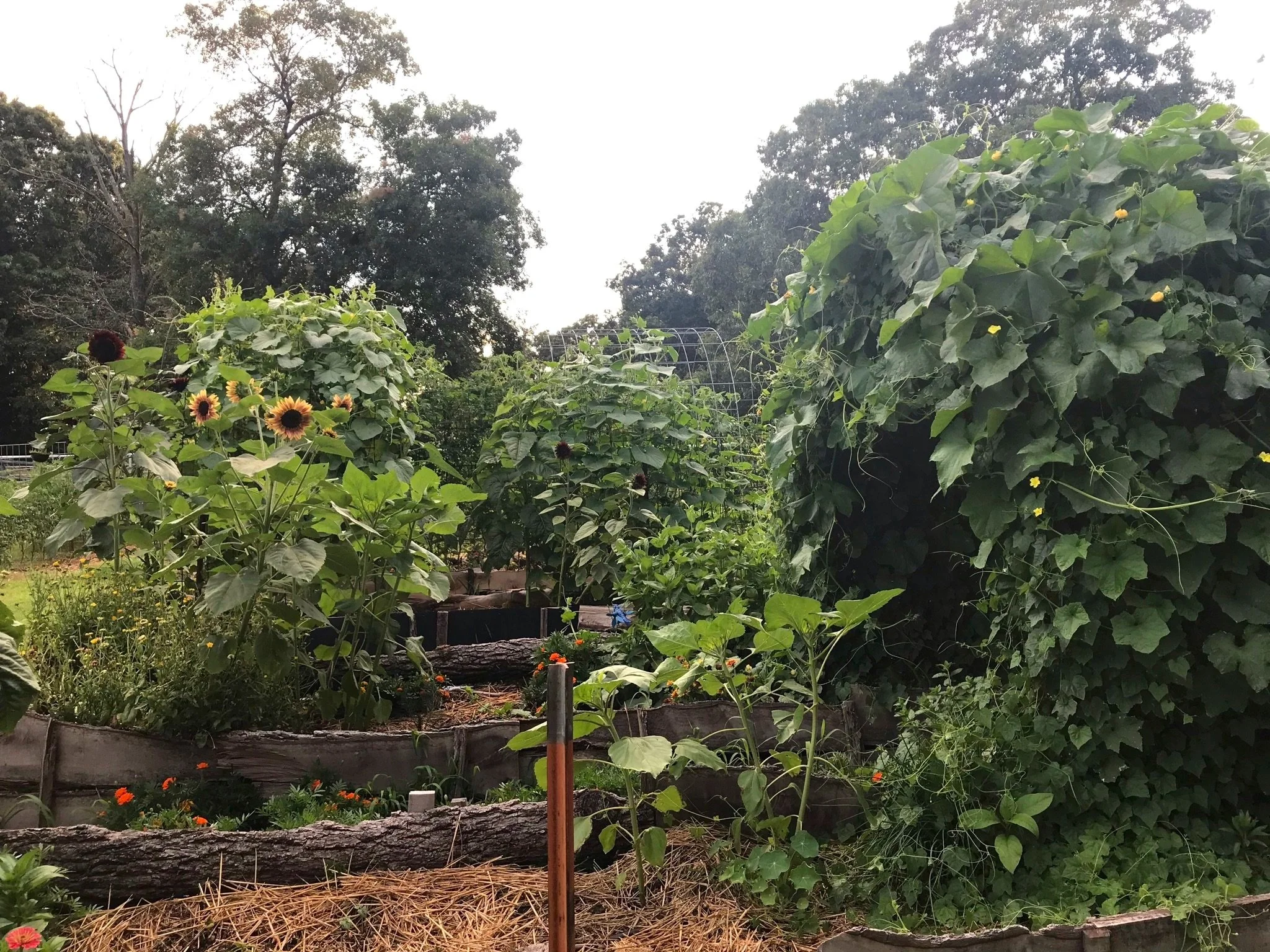
Raised Bed Garden
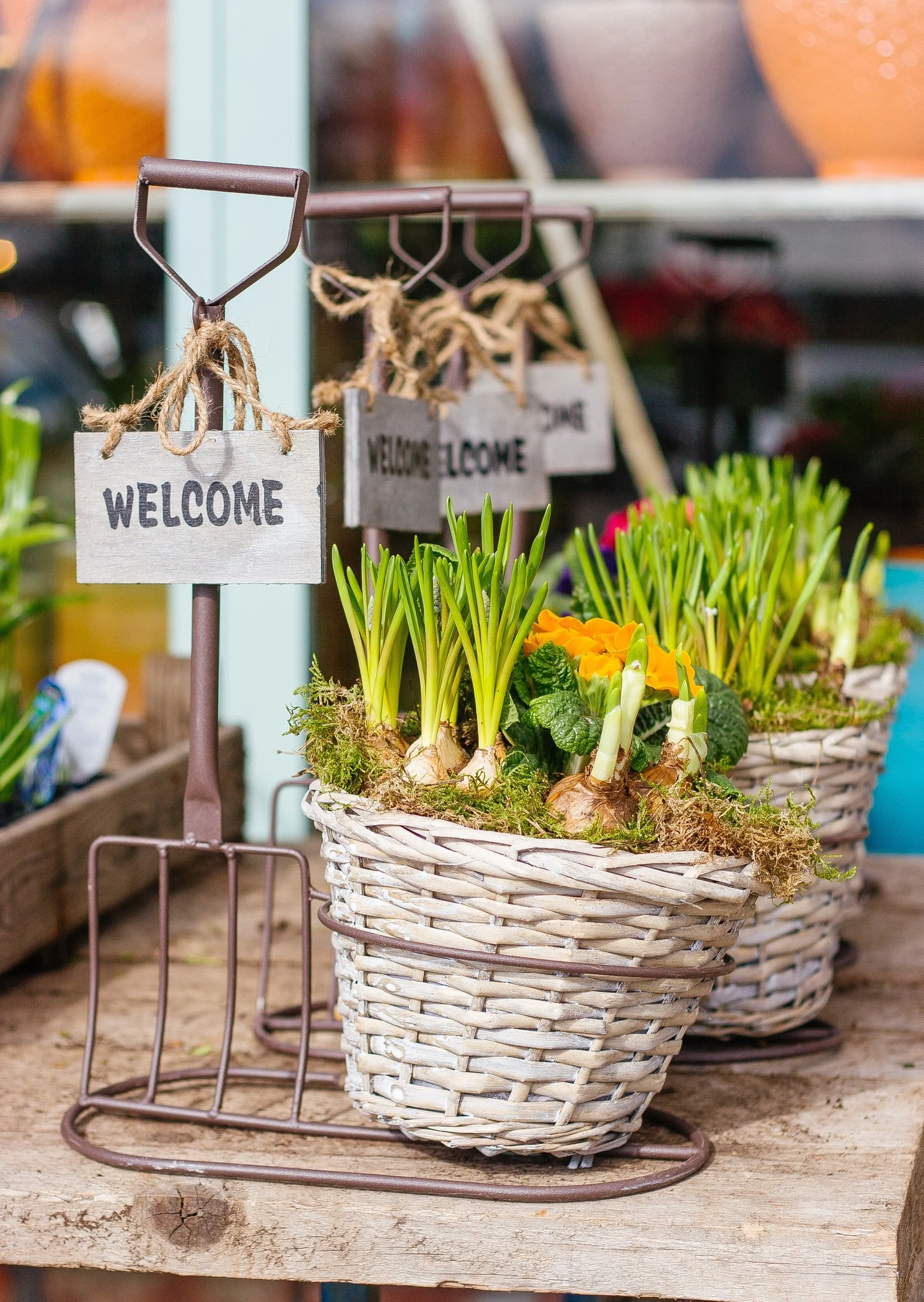
Container Garden
In Ground Garden
This is your traditional garden style. They’re a great option if you have the space to accommodate and easy access to water. In-ground gardens are typically used for fruits & vegetables, flowers, orchards and essentially anything else you want to grow. Ground preparation can be as simple as tilling, or if you’re going no till, layers can be easily built to ensure proper depth for planting. In-ground gardens can be a bit tricky if getting down to ground level is difficult, and weeds can be an issue if the proper steps aren’t taking in suppressing them. We will get into weeds and weed suppression in another post. The cost of starting an in ground garden can be extremely low as there are no beds to build and fill. Fencing may be a good idea if critters are an issue, but overall if price is a determining factor, in-ground gardens are the way to go.
Raised Bed Garden
Raised bed, like the in-ground gardens can provide ample growing space for your growing needs. They can be small if space is limited, or huge if space isn’t a factor. You can grow essentially anything in a raised bed as long as the plants are given the proper nutrition and physical support that may be required. Raised beds can be build from a variety of materials such as wood, bricks, metal, or anything else which won’t break down each year. With that said, raised beds are not completely maintenance free when using natural materials such as untreated wood. That is discussed in a more in-depth post on raised beds. A big bonus of raised beds comes in not having to get to ground lever to pull weeds or harvest. Raised beds can be as tall as you need them to be. The typical height of a raised bed is 18 to 24 inches, although I’ve seen them as high as 36 inches in those with restricted mobility making it difficult to bend over. Weeding a raised bed is much easier as well since the soil tends to compact less and they’re higher off the ground. The cost of raised beds can vary depending on your budget and how elaborate you want to get. Price will also depend on the materials you choose to build the beds from along with what you decide to fill them with. This is something to keep in mind when you’re planning out your garden space. To give you an idea, we built 8 4’x20’ raised beds from rough cut cedar we bought in bundles from a saw mill. We filled them with compost from a local mushroom farm and purchased 12 cattle panels to use for trellising. Overall the cost was around $500 with the cattle panels costing roughly $300 of that total.
Container Garden
Container Gardens are becoming more and more popular in the urban settings where space is limited. Now, don’t get me wrong, you can grow a ton of food using this method of gardening. Costs can be low if repurposing materials, and the soil requirements are much less than that of the in ground and raised beds. Watering and fertilizing will become more of a priority for a container garden since the plants won’t be able to get either from the surrounding soil. There is less overall maintenance in regards to materials used, and if you’re in a temporary living space this may be the perfect option as there is no construction or ground disturbance involved. Weeding is also much less of a factor since there are no native weeds in purchased soil.
Now that you have where you’d like to grow to think about lets talk about What and How you want to grow. I’m only covering the absolute basics here. I will completely loose you if I go into the specifics of the what and how to grow. This is my passion, so I don’t want to totally nerd out on you from the start. If you are interested in a more information I’ll be posting more in my posts.
What to grow
As stated above I could totally nerd out all day talking to you about the specifics. In fact, I can guarantee I can make your eyes glaze over within just a few minutes. But, since I want you to at least try to give it a shot, I will not do that to you here. I will cover the most necessary aspect of this topic by telling you to Grow What You Eat!!! It seems so basic, but I promise you, when you get those first seed catalogs you will be completely wooed by all they have to offer and you will get stuck in the rabbit hole of wanting to grow EVERYTHING! Trust me, I’ve done this and well……. still do this. My biggest weakness is a seed catalog or website, it’s a serious addiction. If this is your first time gardening, my suggestion is to pick things you already like and then maybe 1 or 2 things you’d like to try. This way if it fails miserably (because some things will no matter what) you haven’t spent a ton of money for nothing. On the flip side of that, if everything goes amazing and you have this huge harvest of something you thought you would like, but actually hate, you’re not stuck with trying to figure out what to do with it. Make Sense? Also starting off small gives you more bandwidth to troubleshoot your gardening practices. A small garden is way easier to maintain that a big one, and when you’re still really learning and getting into your groove, too much garden is completely overwhelming. So start small, I promise you will have a much better time. Now, back to what you eat. What you eat and Why your gardening go hand in hand. Remember your goal and then plan accordingly.
I do this by looking at what I typically cook throughout the week. I know we love to have vegetables with dinner every night. My family loves vegetables, so I grow a wide variety of everything. Now, if your family doesn’t really like vegetables, but you’re trying to get them to eat them I suggest plant a few plants of what you’d like them to try and see how they like them. I know you’re wondering why am I completely contradicting what I said about growing what you like to eat? The simple answer is that homegrown food tastes Completely Different than store bought. I’m talking completely, not just a little. The difference is amazing, it’s an entirely new world of flavors when you grow it yourself. I never realized how much better food could taste when it’s freshly picked and prepared. Those green beans your kids can’t stand just may turn into their favorite meal. My kids come into the garden and just start eating off the plants. By the time we harvest vegetables for dinner they’re full.
If you are still unsure of what to start with, go with the basics. Green beans, cucumbers, carrots, potatoes, tomatoes, summer squash and peppers are by far the easiest starter crops for beginners. They can be low maintenance with the right varieties and they’re all high yielding plants so you don’t need a ton to try them out. They also don’t require a lot of growing space so any of the 3 gardening styles above would be totally doable.
How to grow it
Once you’ve figure out what you want, you have to decide how you’re going to grow it. For this I’m talking about starter plants or seed starting. Personally, I do a mix of both. I start the vast majority of my plants from seed in my basement and then transplant them out after my last frost date. I also will usually go to the big box stores and buy plants here and there if something either didn’t germinate for me or if I forgot to start them in time. I tend to buy more flowers than vegetables from the box stores because flowers can get tricky for me. That will all change when I get a greenhouse, but for now, it works best for me. Growing from seed or started plants really depends on how much time and money you want and legitimately can invest. Let’s quick break it down.
Starting from seed can be less expensive than buying starter plants, because a pack of seeds can be as cheap as 25 cents. Add some cheap starter mix or potting soil and some Styrofoam or solo cups and BAM, you’ve got an indoor seed starting setup. Throw them in a south facing window and TADA!!! You did it. It With that said, seed starting can also become quite the operation. As I said earlier the seed catalogs will steal your heart. The descriptions are so whimsical and they just make you want to grow them so bad lol. It’s very easy to just keep adding to that cart. I’m so incredibly guilty of this it’s not even funny. Also if you start investing in lighting and seeds and specialty soil and seed trays and bottom trays etc. the costs will add up really fast. Now is all this extra stuff necessary? Well, it all depends on your goals as a gardener, if you are going for a big garden it’ll help. If your just starting out and seeing what you can do I would say it’s probably not the best way to spend your money. If your just starting out, my personal advice is to get your space set up and put the money into where you’re growing because that is going to be where your plants actually live. You can always direct sow your seeds into your garden beds, in fact, I never started anything indoors until just a few years ago. Before that I just threw the seeds in the soil and hoped for the best and honestly it worked just fine. I’ve had huge gardens from haphazardly putting seeds in the soil and hoping for the best and I’ve had major garden failures when I carefully started a ton of seeds inside and transplanted them out only to watch them get all diseased and die. It honestly doesn’t matter which road you take, the important thing is to take one. As you go through each garden season you will inherently learn what does and doesn’t work for your situation.
The same can hold true if you decide to purchase “started plants”, I remember one year I didn’t want to start seeds so I just bought all my plants. I quickly remembered why I start most things from seed lol. Starter plants are much easier in all honestly. All the upfront work is done. You literally just go to the store, purchase the plants, come home and plant those suckers. Talk about easy peasy lemon squeezy! The downfall to convenience is that it can be expensive on a large scale. For the price I paid for all my started plants, I could have easily started 4-5 times the amount of seeds. That’s the year I learned buying all starter plants is not a good financial investment for my family. It may be a great one though for yours as it all depends on your personal preference and situation.
Overall, the moral of the story is to do what makes the most sense for you and your situation. Don’t buy into the hype of needing to be all organic, or non GMO. Fun Fact, GMO seeds are only actually sold to commercial growers, so any seeds a consumer is buying for their personal operation are going to be NON-GMO. It’s a mute point for the home gardener, but you’ll see it everywhere and there’s a lot of hype surrounding it. Also, don’t get wrapped around the axle on whether it’s heirloom or hybrid. Unless your saving seeds, it doesn’t really matter. Only in certain varieties bred for high production will you taste the difference. I go more in depth in this in another post as well. All you need to know when starting out is that it doesn’t matter at this point in time. The most important piece of advice I can give to a beginner is to JUST START! I tell my kids all the time, If you never try you’re guaranteed to fail, so you may as well give it a shot.
Homework Time
Now that you have the basics, get a piece of paper and figure out these three things
What is my Why and or Goal for this years garden?
What type of garden do I want to have?
Am I starting from seed? or Am I buying plants?
Once you have the following questions answered, head to the next article about Soil Health.